
When most People think of Dementia, they picture forgetfulness (misplacing keys, forgetting names or struggling to remember recent events). While memory change is an important symptom, the reality of living with Dementia is far more than forgetting things. Dementia affects thinking, behaviour, emotions and everyday life in ways that are often misunderstood by the general public. Research and lived experience show that Dementia reshapes how a Person sees the world, interacts with others and copes with daily life. This deeply affects both the Person living with the condition, the Person who Cares for them as well as their loved ones.
Dementia Changes
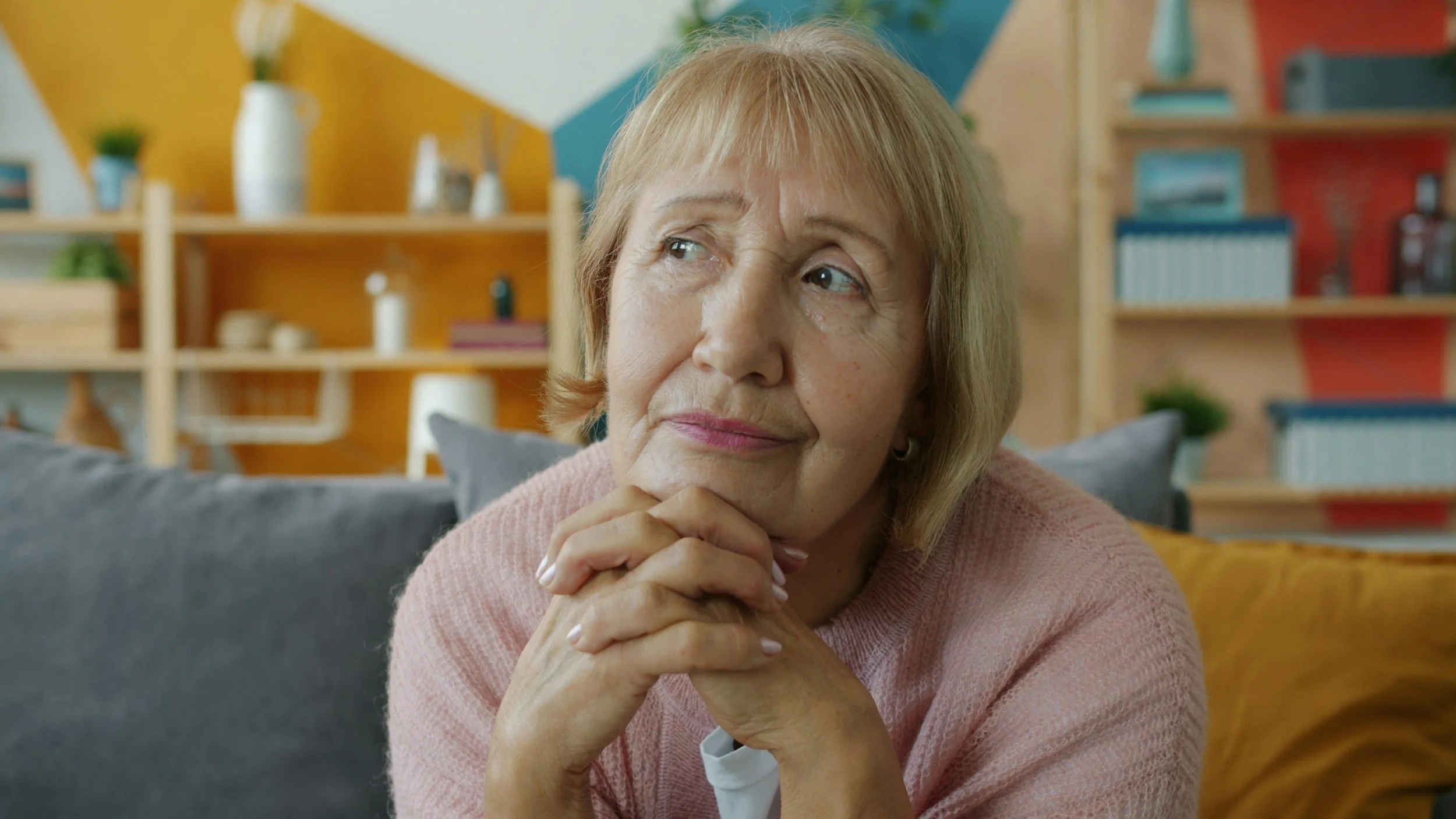
Dementia is caused by damage to the brain, affecting many different mental abilities including planning, communication, language and perception. This means that:
- People may struggle with planning and organization, even for familiar routines
- Conversations can become confusing as words become harder to find
- Daily decisions become overwhelming
- Sensory perceptions (like vision or spatial awareness) may change, making normal things feel bewildering or frightening
For example, a reflection in a mirror might look like a stranger in the room, or a rug on the floor may appear as a hole in the floor. This isn’t imagination, but how the brain interprets sensory input because the normal brain pathways are disrupted.
Emotions can Shift and May become Unpredictable
Living with Dementia often means navigating unpredictable emotions.
- Some People feel fear and anxiety, as they become increasingly aware of the changes happening to their mind
- Others experience frustration, sadness or grief for the future they imagined
- Some feel guilt or anger because they can no longer express themselves or cope as they used to
These emotional responses are not ‘overreactions’, but reflect how Dementia disrupts emotional regulation as well as cognition.
Behaviour and Mood Changes are Common but Misunderstood
Dementia can cause behavioural changes that might seem unusual to an outside observer:
- Irritability, withdrawal or emotional outbursts
- Confusion about time, place or identity
- Repetitive actions or constant checking
- Changes in personality or motivation
These are not deliberate, but are a result of how Dementia affects the brain when it comes to mood and behaviour. Loved ones may struggle to connect with someone who seems ‘different’ from the Person they once knew. That doesn’t mean there’s no Person there anymore!
How Everyday Life Changes
As Dementia progresses, routine tasks can become challenging. For example:
- Making meals or preparing food
- Navigating familiar places
- Organising personal belongings
- Recognising familiar faces or places
This isn’t because the Person chooses not to remember, but because the brain’s ability to think, plan and recall is impaired.
How it Also Changes for the Carer
While we often focus on the experiences of the Person with Dementia, Carers also face a deeply emotional and socially challenging journey.
Many Carers report feeling:
- Isolated, stressed or overwhelmed
- Changes in family roles and relationships
- Social stigma or misunderstanding from others
- Emotional and physical fatigue from constant support and vigilance
Carers may be doing more than physical care, they are also interpreting behaviours, navigating health systems and supporting emotional wellbeing.
Living Well with Dementia is Still Possible
Despite the many challenges, People with Dementia can still live meaningful, fulfilling lives – with the right support, community and understanding.
Simple things that can help include:
- Staying socially connected and mentally engaged
- Being patient and seeing the emotion and unmet need behind the behaviour, not just the behaviour
- Providing reassurance and affection when there is confusion or fear
Dementia isn’t just about memory loss. It’s a condition that affects the whole Person (their mind, mood, self-perception and relationships).
Understanding this helps us make communities more compassionate and support People with Dementia in ways that support the dignity of the Person affected and focusses on their identity and what they are still able to do. It is also important to recognise and support the enormous work of Carers.
